Sealed
An art-first digital
marketplace and gallery.

Why Sealed
Present art as ART.
NFTs get a bad rap, but early on they were exciting for the fine art applications. Digital artists could find support from collectors around the world, selling 1/1 work instead of being limited to print sales.
As the scene grew, the focus shifted to profile-picture collections. The art-first scene was pushed to the background.
Sealed was created to bring back that early vision. A gallery marketplace where the art was front and center, and the UI was built around not distracting you from it.
A gallery, not a trading screen.
Web design & user experienceOur galleries were minimalist. The work could keep its own proportions, the labels stayed small, and the artist’s name stayed attached to the art.
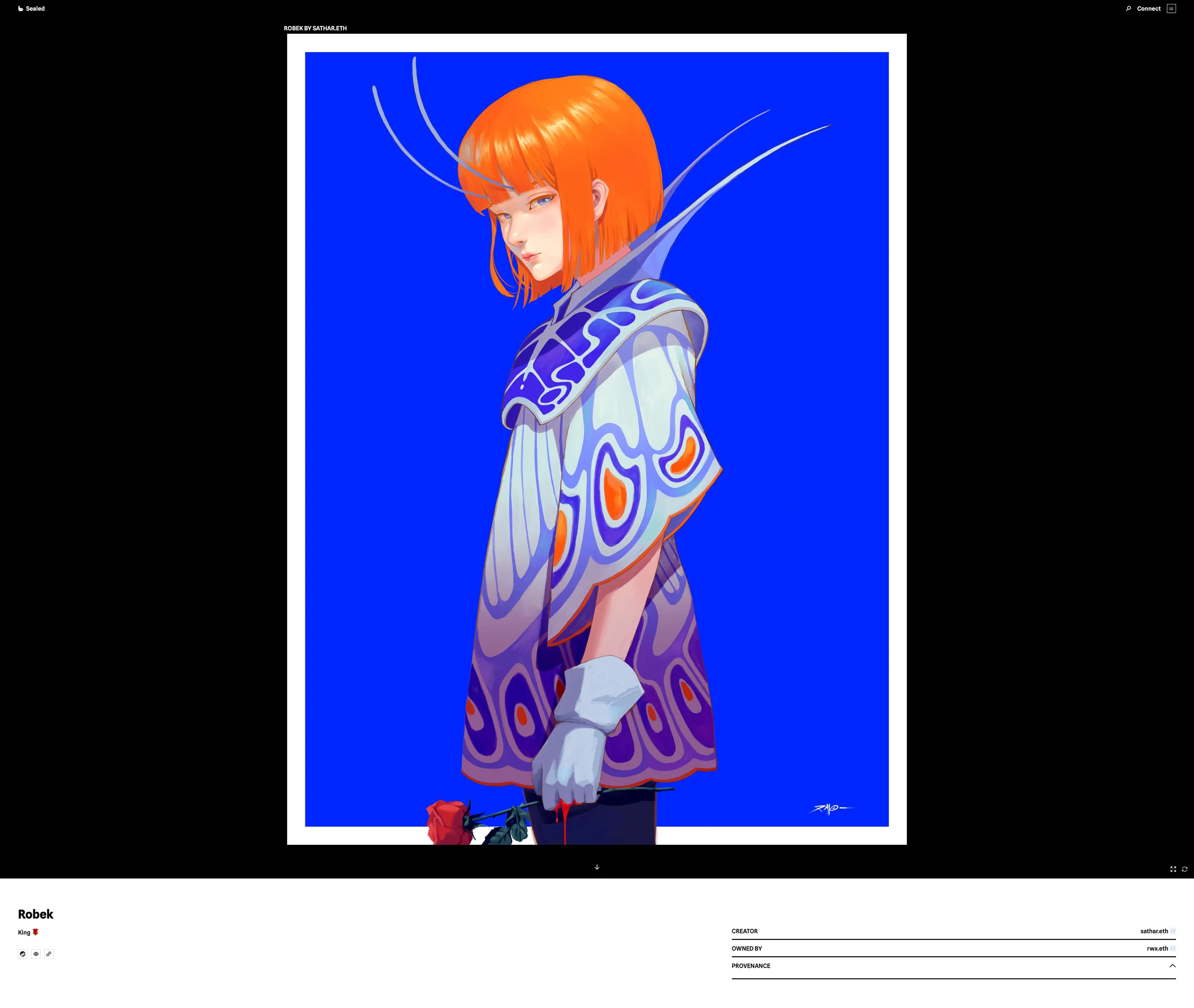
The same idea carried through to an individual artwork page: give the piece the room, then put the ownership and provenance below it.
Watch the marketplace in dark mode
User profiles & galleries.
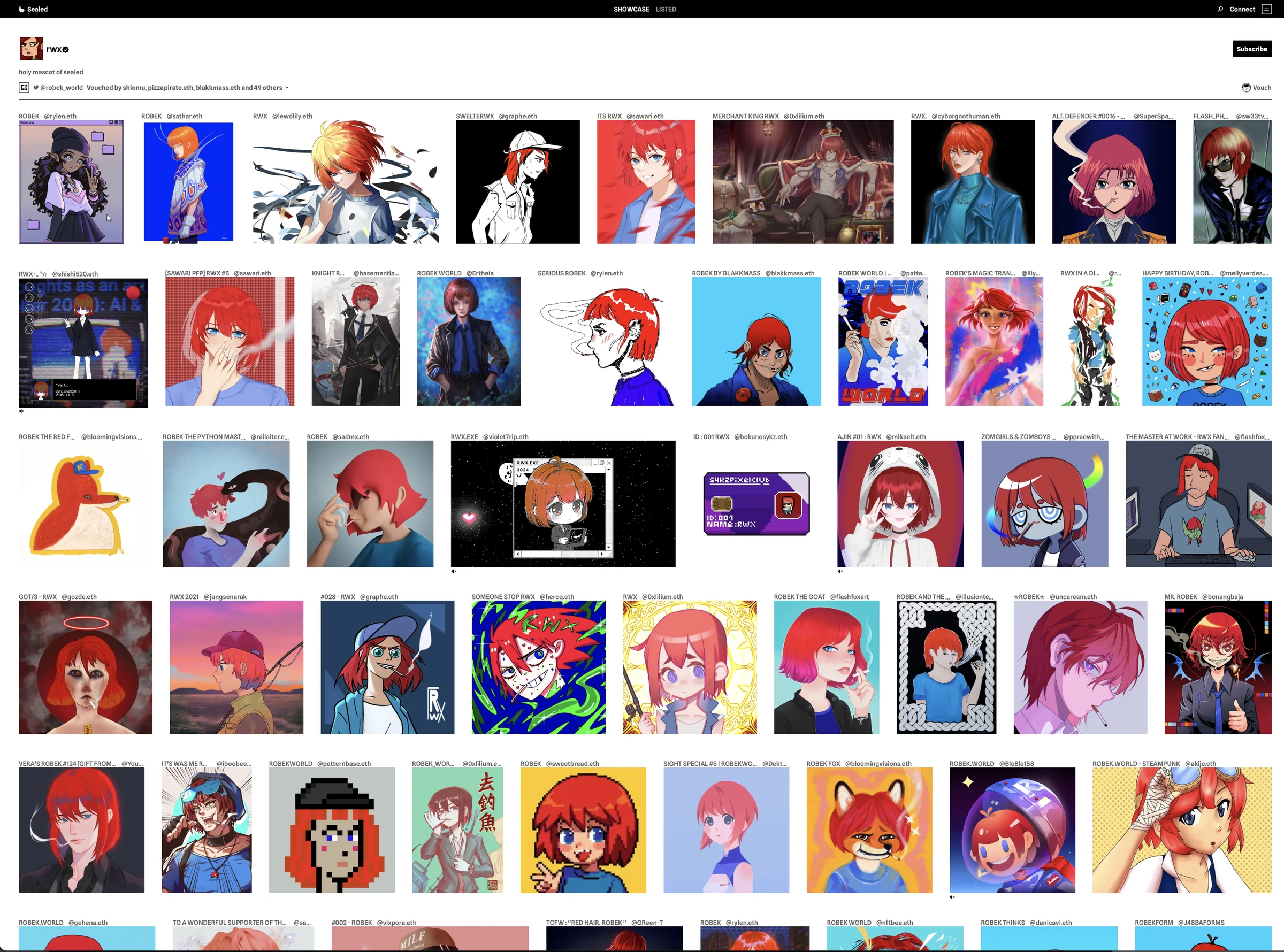
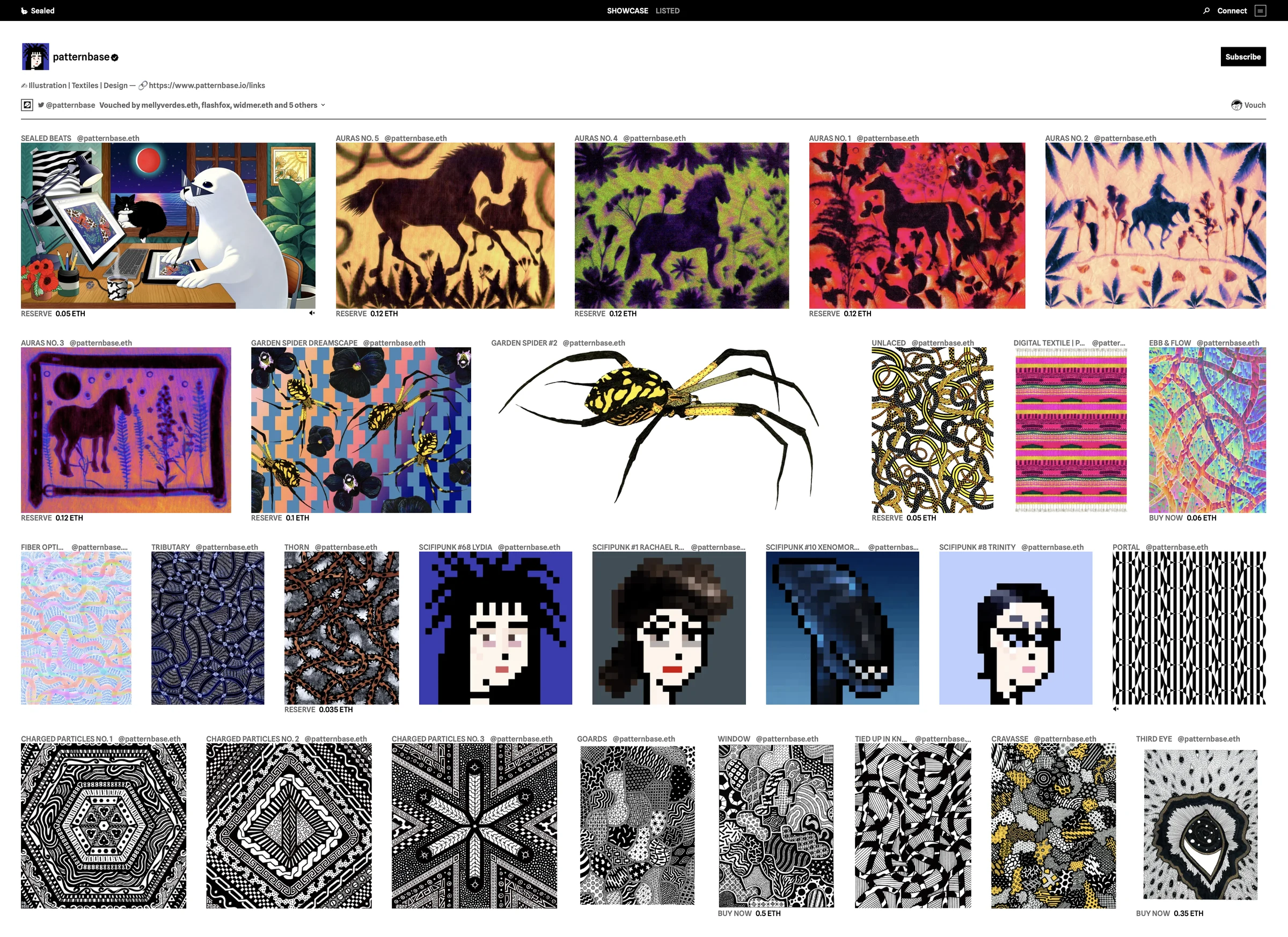
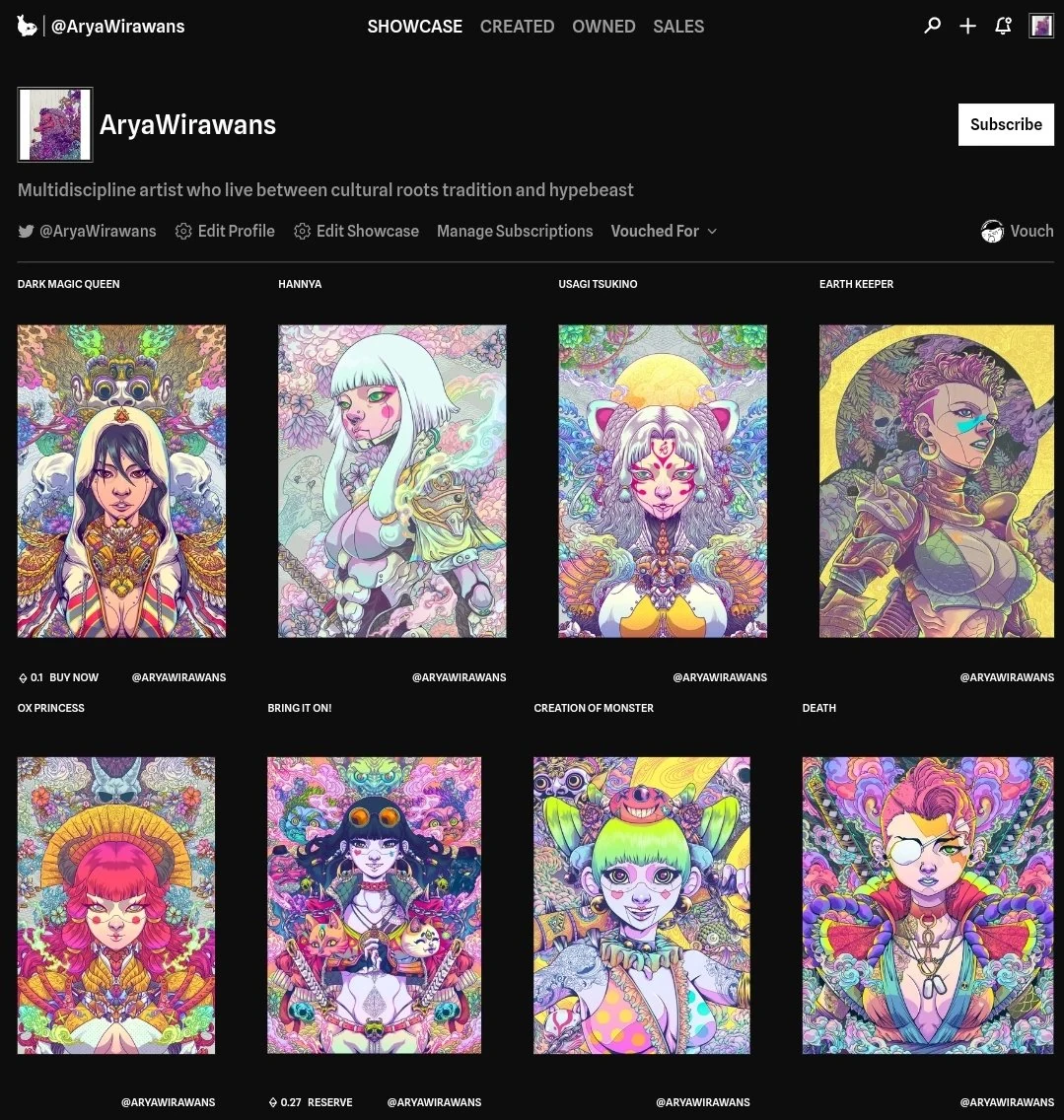
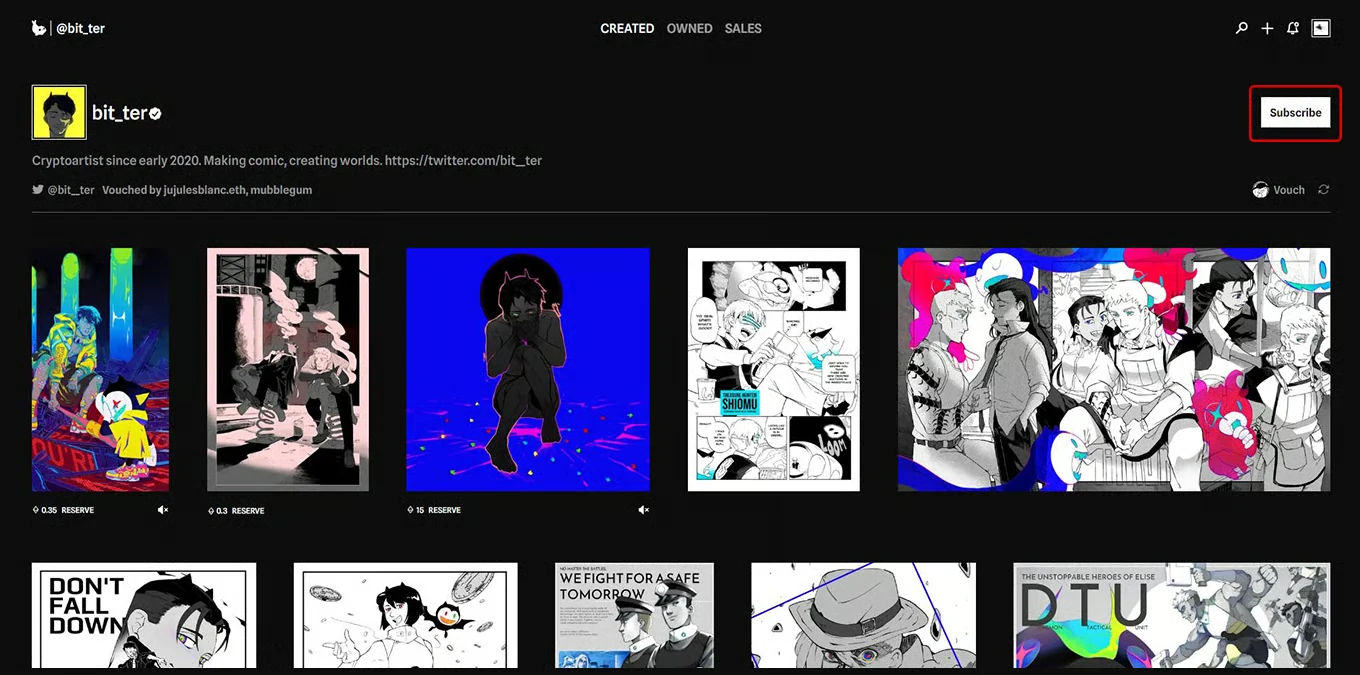
Artists & collectorsA profile was a gallery in its own right. Artists could show their work, collectors could show what they loved, and each gallery took on the personality of the person behind it.
The layout stayed quiet across very different collections. Showcase, created work, and listings were separate views, with the profile and community details kept above the art.
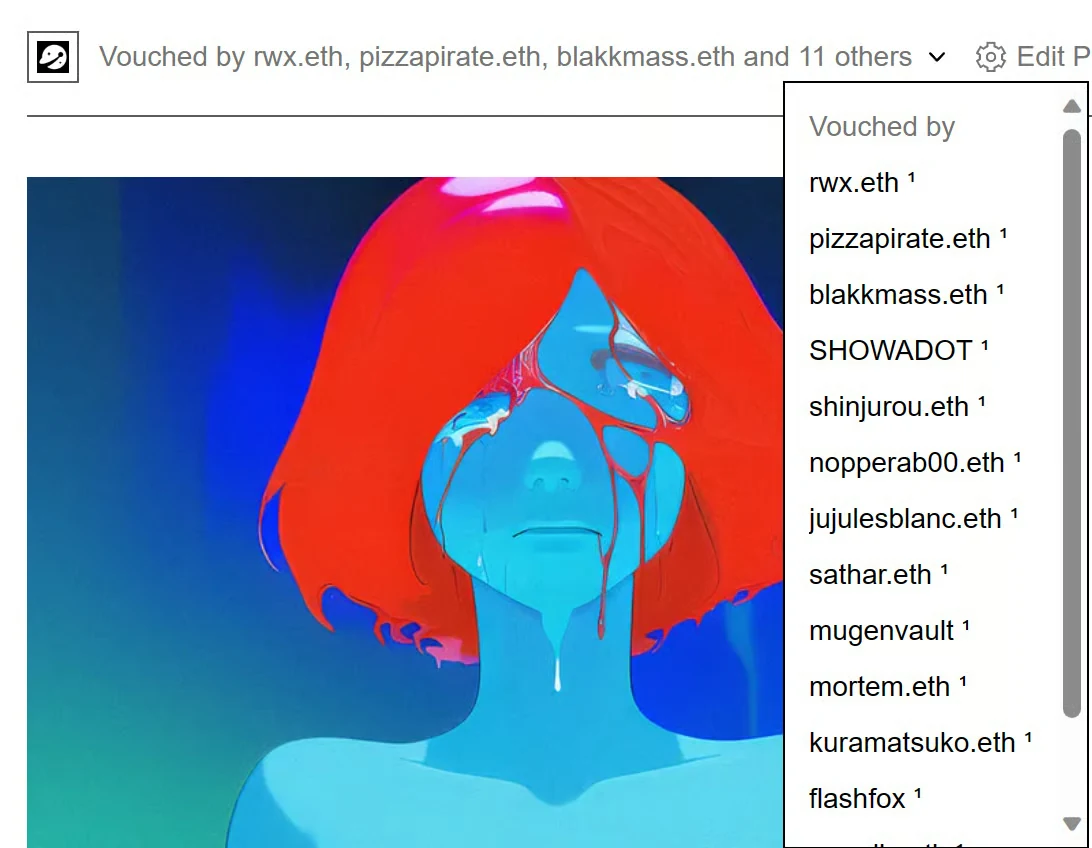
Vouched for by the community.
Profiles also showed who had vouched for the account. A small piece of the community, right alongside the collection.
Find the art. Not just the artist.
Product & discoveryWe indexed 1/1 NFTs across Ethereum and used CLIP to tag the artwork. That let people search by subject, instead of relying only on the keywords an artist had added.
Those tags also powered “Art You May Like.” Viewing a piece or connecting a wallet could surface recommendations based on similar work or a person’s collecting history.
The marketplace around the art.
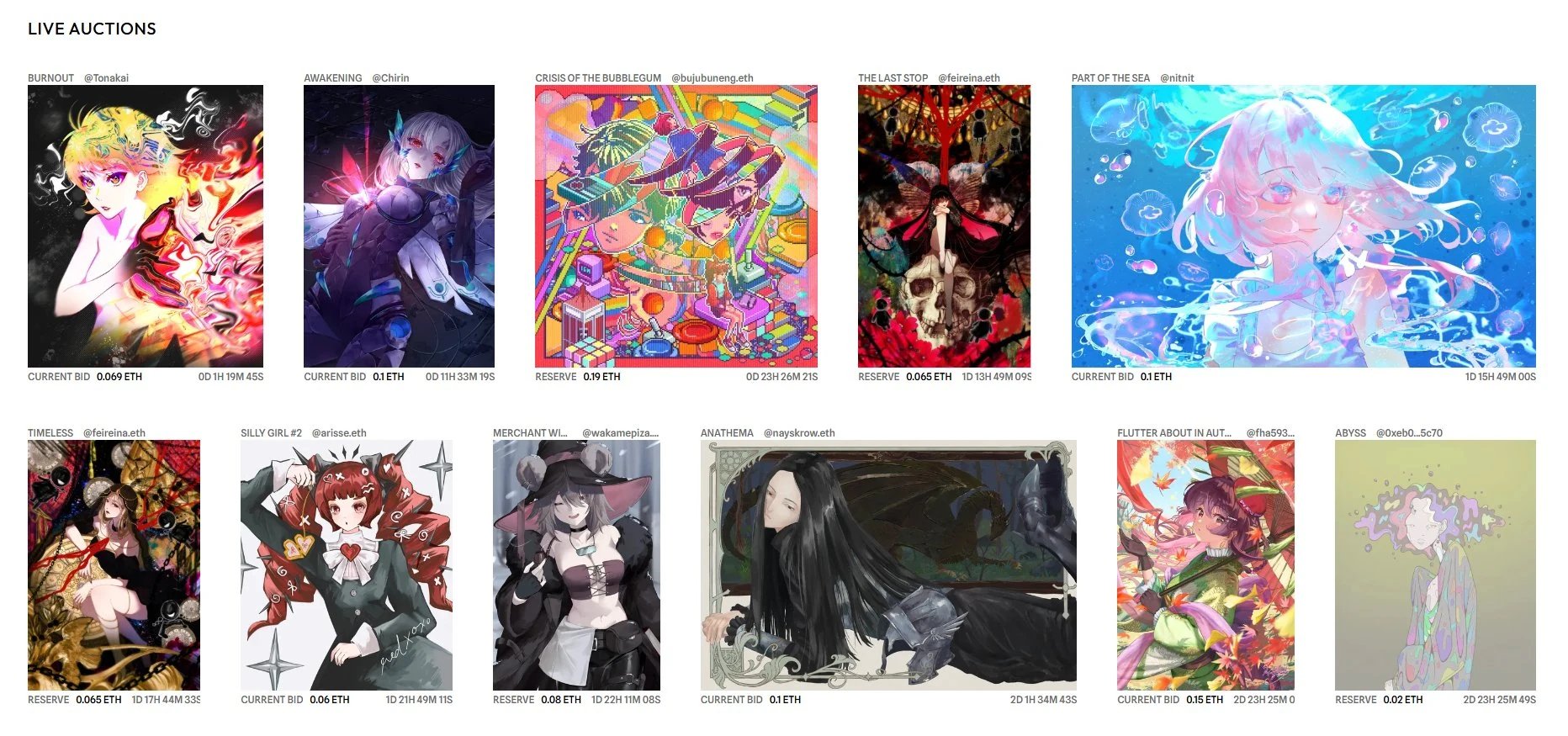
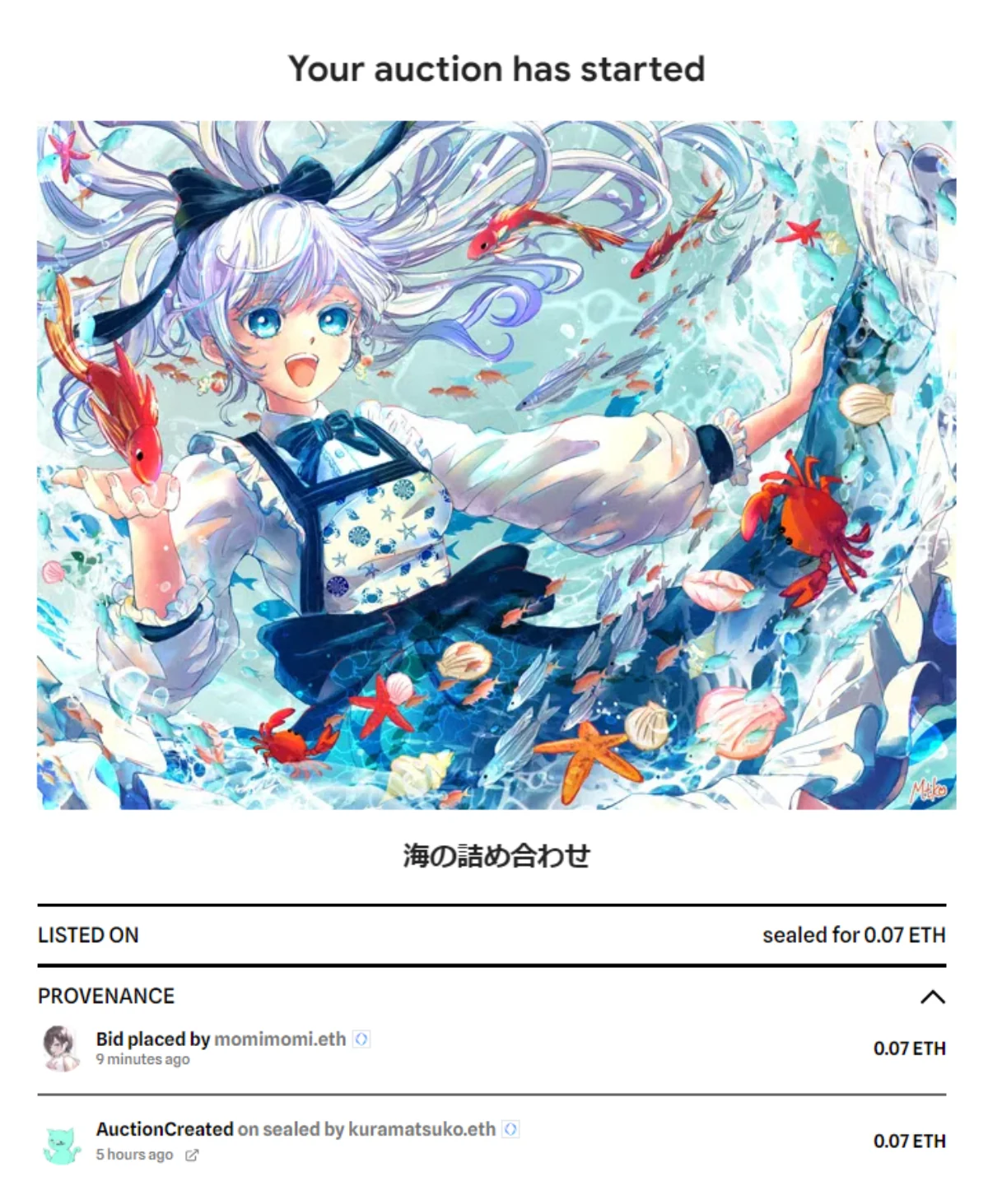
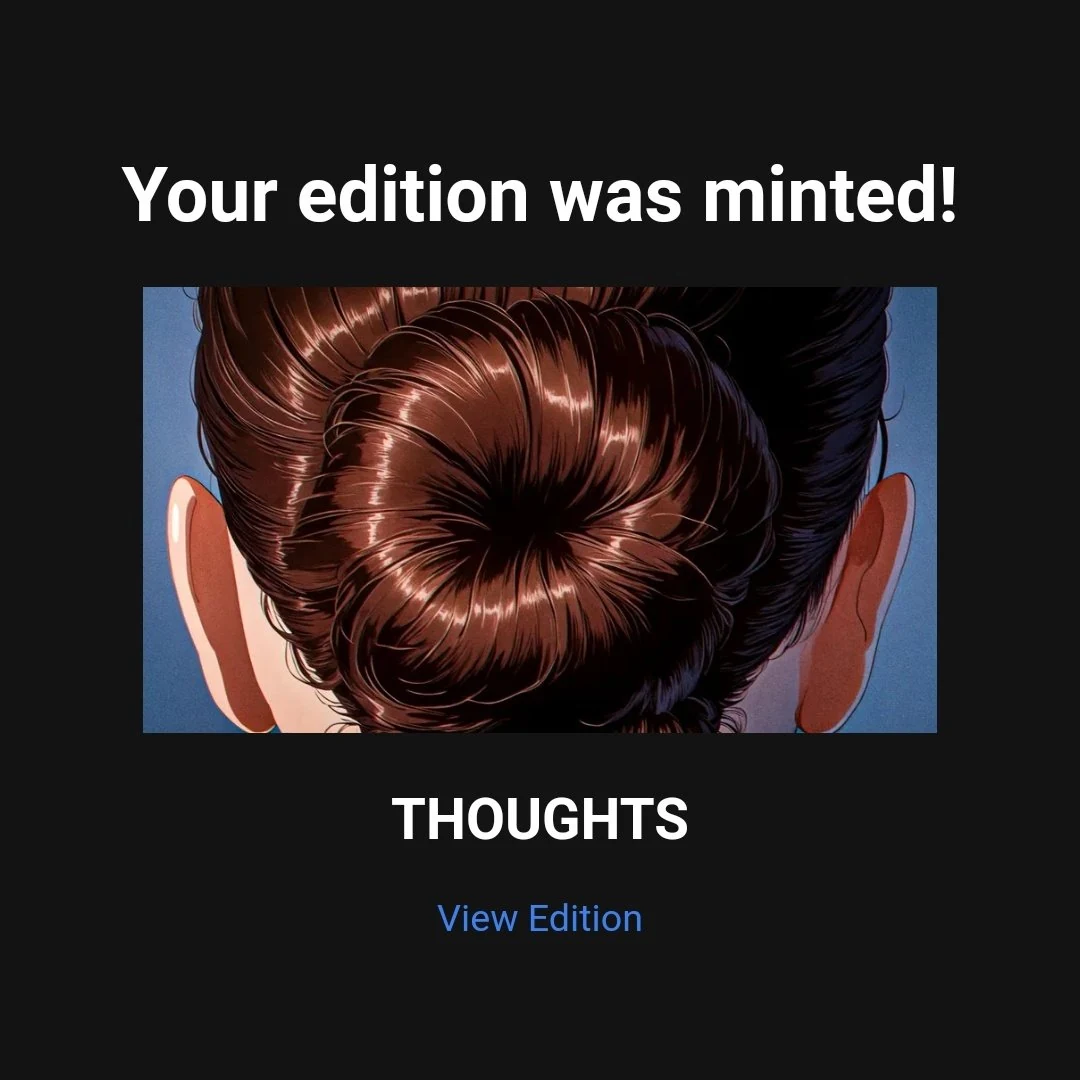
Auctions & editionsLive auctions, listings, and editions still needed to work as a marketplace. The art stayed prominent through the auction views and the messages people received after listing or minting.
Auction flow / recording & confirmation messages
Branding
A seal.
With some attitude.
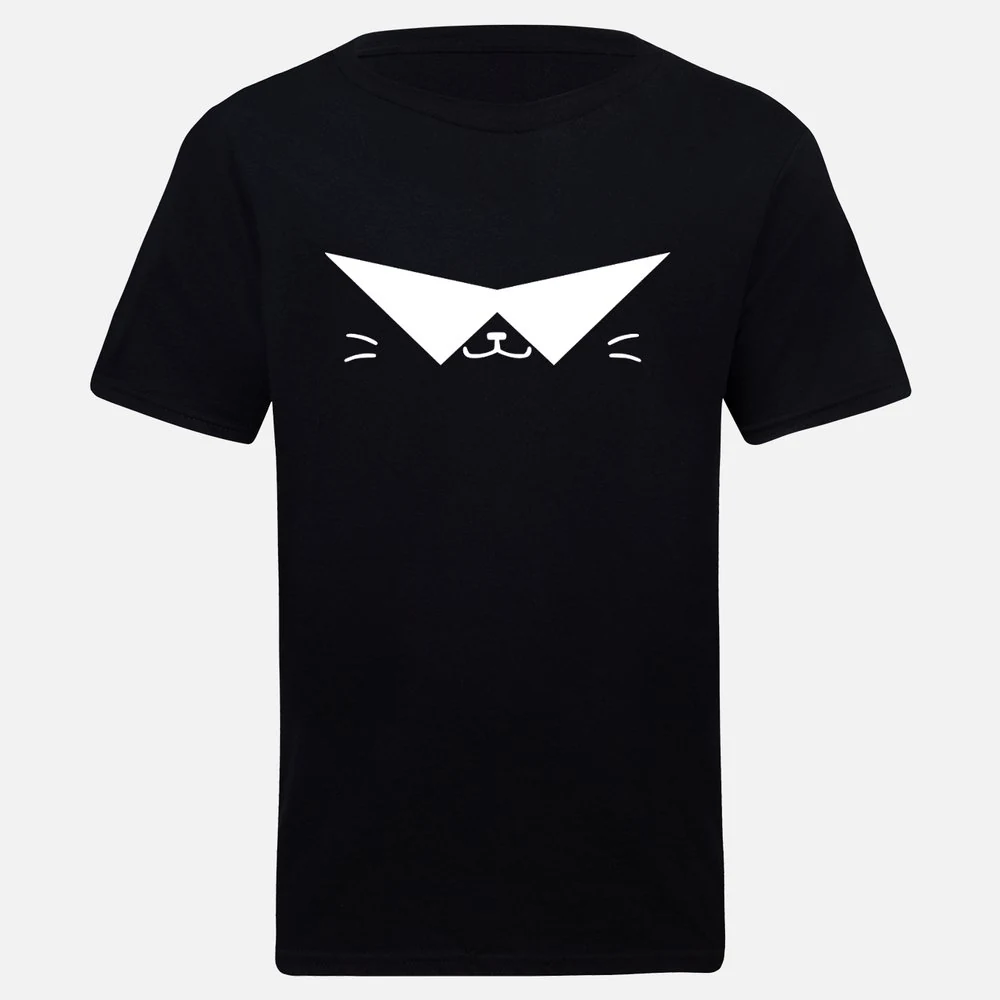
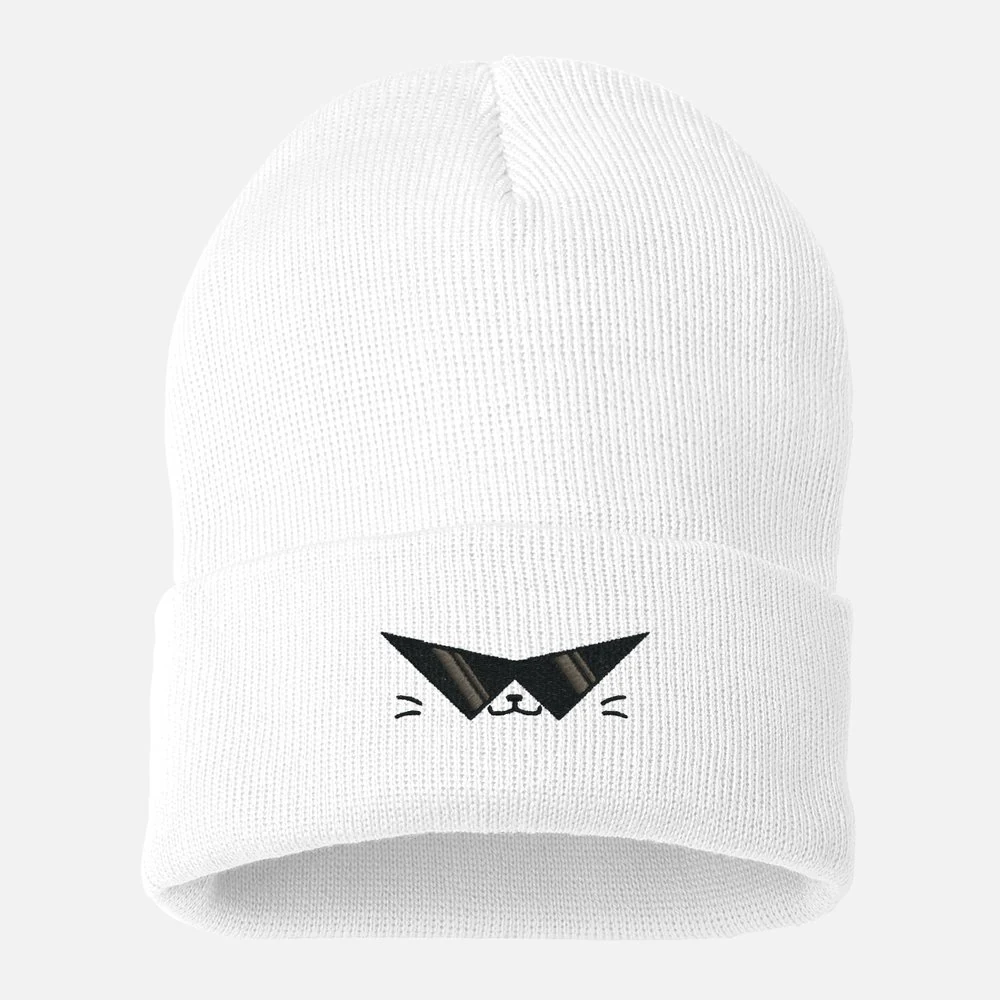
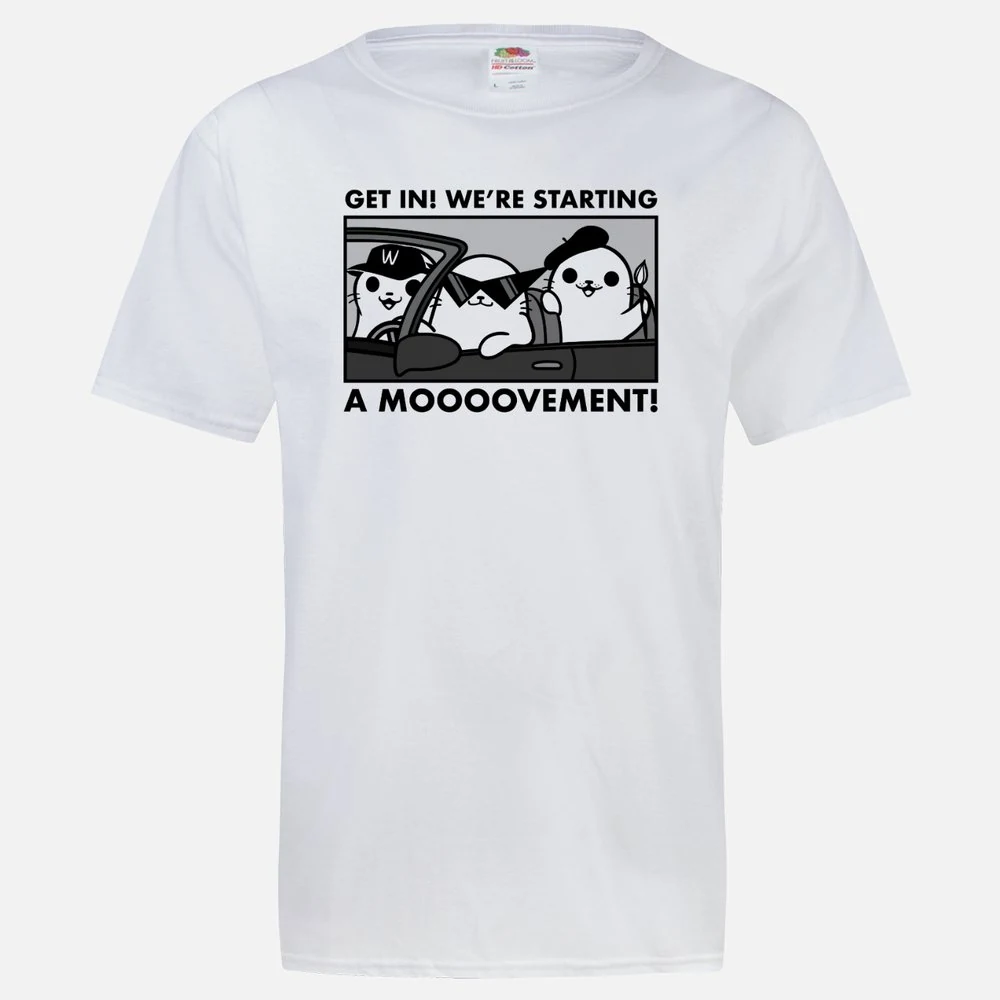
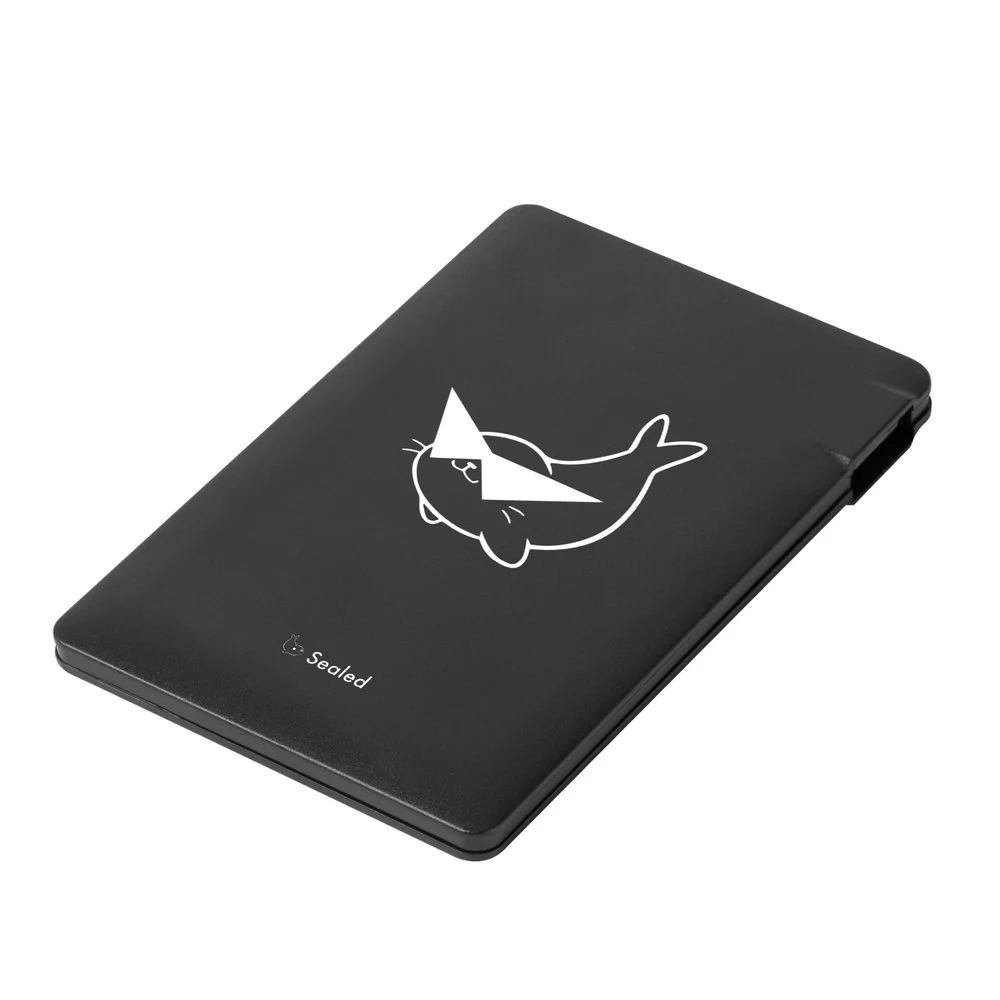
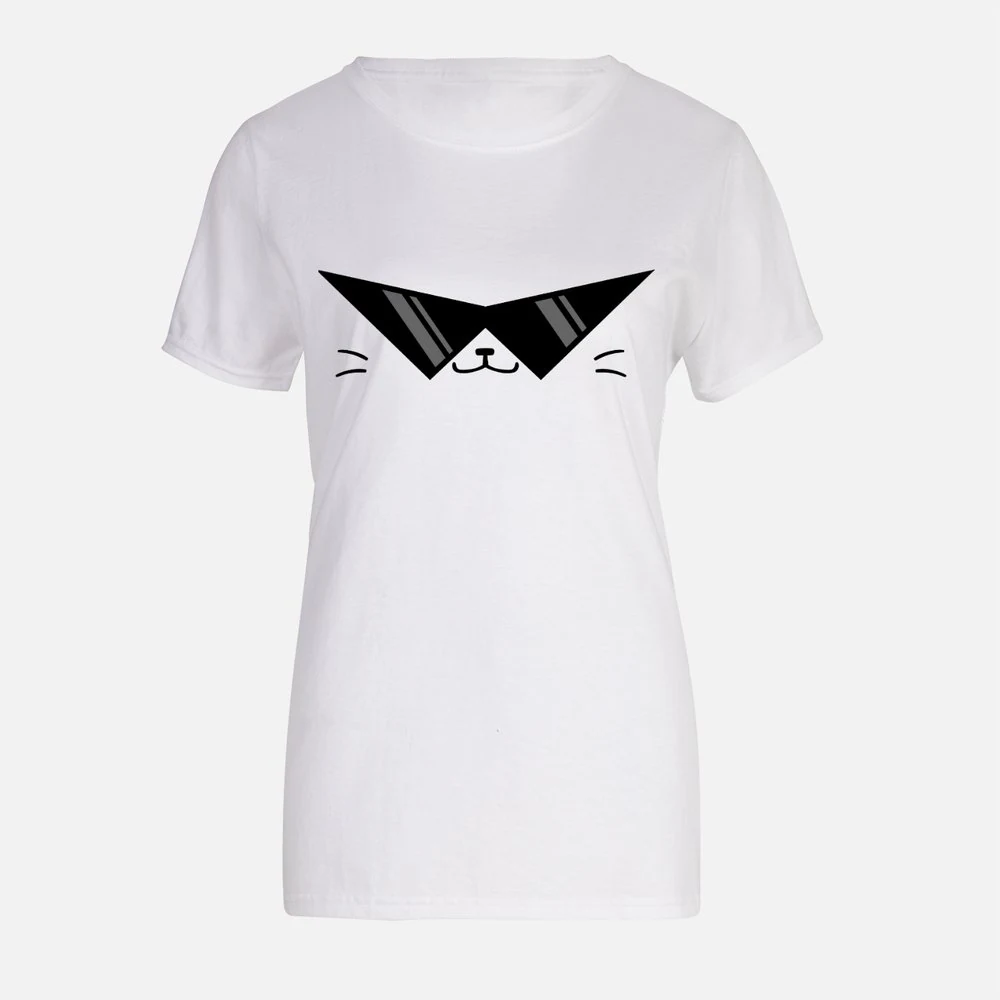
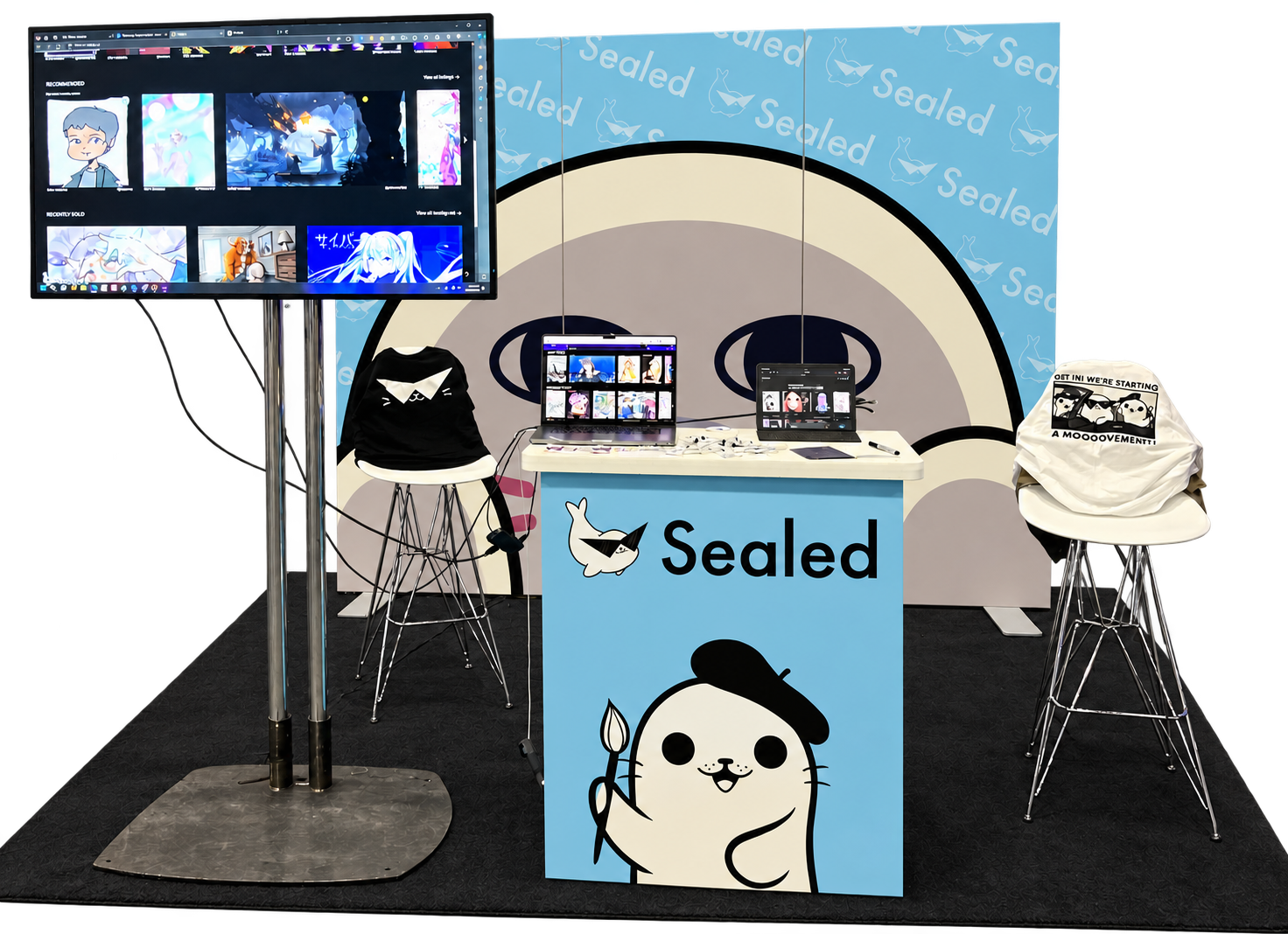
The platform primarily appealed to Japanese and Southeast Asian markets, and fans of the style. The logo direction was planned with that in mind: an anime-inspired seal wearing “GAR” glasses. Breaking the system. Our brand designer brought the vision to life creating the logo suite as well as a library of illustrations for digital, social, and event placements.

Helping people use it.
Docs, tutorials & communityMy role didn’t stop at creative direction. As co-founder and community lead, I also worked on the documentation and tutorials that helped artists and collectors use Sealed.
The docs covered the platform, galleries, collecting, and discovery. The idea was to help people understand what they could do with Sealed and how to get started.
Read the docs ↗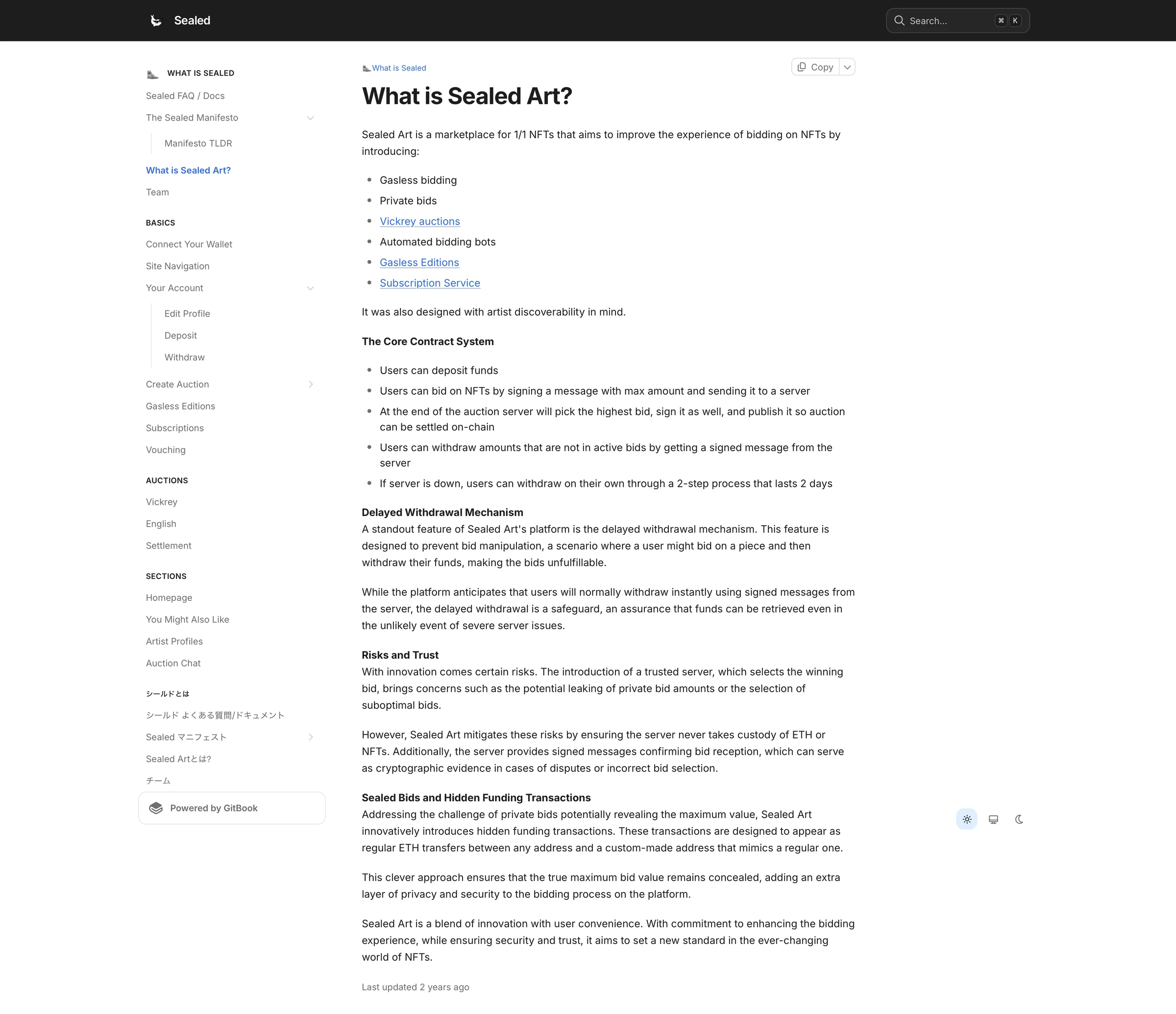
Artwork shown in the product captures belongs to the respective artists. This case study covers the Sealed brand and product experience.